Gaming Terms That Escaped the Screen: The Slang Everyone Uses Now
From GG to buff and nerf, gaming has created hundreds of words that now show up in offices, group chats, and everyday conversations.
Try the AI tutor for freeWhy Gaming Terms Are Everywhere Now
If you have spent any time on social media in the last five years, you have probably seen someone type "GG" in a comment, say "that's so OP" about a product, or ask a coworker "are you AFK?" during a Zoom meeting.
Gaming language has quietly taken over the internet. What started as shorthand between players has become part of how millions of English speakers communicate every day. And for anyone who spends time online, understanding this vocabulary is becoming essential.
The opportunity is clear. Learning gaming jargon gives you access to a massive chunk of informal English. The challenge? These terms rarely appear in textbooks or classroom lessons. If you are studying English through traditional methods, you might encounter them for the first time in a live chat or a group call and have no idea what people are saying.
This guide breaks down the most common gaming terms, shows you exactly how they are used in real sentences, and explains the cultural context behind each one. Whether you play games or not, knowing these expressions will help you understand modern English conversation.
The Essential Gaming Vocabulary
GG (Good Game)
GG is probably the most widely known gaming term. Players type it at the end of a match as a sign of respect. It is short for "good game," and it has become a general way to acknowledge that something has ended.
In everyday English, people use GG to signal that a situation is over or that someone has won. You might hear a friend say "GG, the concert sold out in two minutes" after failing to get tickets.
Example sentence: "We lost the client to a competitor. GG, better luck next quarter."
The term is casual and friendly. It carries no negativity, even when used to admit defeat.
AFK (Away From Keyboard)
AFK means someone has stepped away from their device. In gaming, it is frustrating when a teammate goes AFK during a match because it puts the whole team at a disadvantage.
Outside of gaming, people use AFK to let others know they will be unavailable for a moment. It is common in workplace chat apps like Slack or Discord.
Example sentence: "I will be AFK for fifteen minutes, picking up my kid from school."
AFK is a perfect example of how gaming language has crossed into professional spaces without anyone noticing the shift.
Buff and Nerf
These two terms are opposites. A buff makes something stronger. A nerf makes something weaker. Game developers use these regularly when they update characters or weapons.
In daily conversation, people apply buff and nerf to almost anything. A coffee shop adding a loyalty program? That is a buff to their customer experience. A company cutting employee benefits? That is a nerf.
Example sentence: "The new software update buffed our workflow speed, but the simplified interface nerfed the customization options."
These words have become incredibly versatile. You will hear them in business meetings, product reviews, and casual conversations.
Noob (Newbie)
A noob is someone who is new to a game or lacks experience. It can be slightly derogatory, but among friends it is usually playful.
In general English, people call someone a noob when they make a beginner mistake in any context, not just gaming. A coworker who accidentally deletes an important file might hear "total noob move" from a colleague.
Example sentence: "I forgot to save my presentation before the meeting. I felt like such a noob."
The key to using this term correctly is tone. Among friends, it is lighthearted. In a formal setting, it could come across as rude.
Meta (Most Effective Tactic Available)
In gaming, the meta refers to the most powerful or dominant strategy at any given time. When a character or build becomes too strong, players say it is "meta" or "in the meta."
Outside of gaming, people use meta to describe what is currently popular or trending in any field. A marketer might talk about the "meta of social media content" to refer to the most effective approach right now.
Example sentence: "Short-form video is the meta in content marketing right now, but that could change."
Using meta correctly shows a high level of English fluency because it requires understanding both the gaming origin and the broader cultural meaning.
Terms That Describe Player Behavior

Rage Quit
When someone gets so frustrated during a game that they disconnect or leave abruptly, it is called a rage quit. The term captures that moment when emotions override logic.
In everyday life, people use rage quit to describe any situation where someone walks away in frustration. A person storming out of a boring meeting is rage quitting. Someone closing a laptop in disgust after a frustrating email is rage quitting.
Example sentence: "My friend rage quit the cooking class after burning the third soufflé."
Camping
Camping means staying in one spot for an extended period, usually to ambush opponents. It is a common strategy in shooter games and is often looked down upon by other players.
In real life, camping describes someone who occupies a space without moving. A colleague who never leaves their desk might be called a camper. Someone who saves a seat at a cafe for hours is camping.
Example sentence: "She has been camping at the same table since morning. I think she lives here now."
Grinding
Grinding is the act of repeating the same task over and over to gain experience, points, or resources. It is tedious but necessary in many games.
Outside of gaming, grinding refers to any repetitive effort done to achieve a long-term goal. Students studying for exams are grinding. Entrepreneurs building a startup are grinding. It has become a badge of honor in hustle culture.
Example sentence: "I have been grinding through grammar exercises for three hours straight."
How Gaming Language Changed the Internet
The Rise of GG Culture
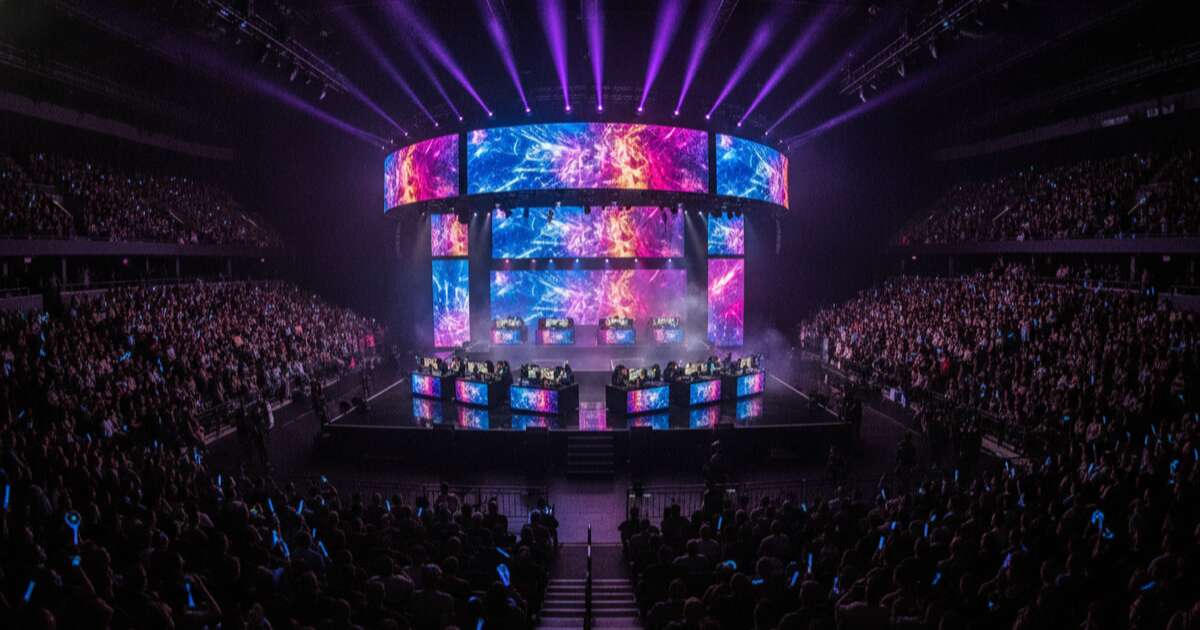
GG is more than a term. It is a philosophy. The idea that you can compete fiercely and still show respect afterward has influenced how people interact online. You will see GG in esports, in sports discussions, and even in political commentary.
This cultural shift matters because it shows that English is not just about vocabulary. It is about understanding the values embedded in the words.
Streamer Influence
Twitch streamers and YouTube gaming creators have become some of the most influential English speakers on the internet. Their vocabulary reaches millions of viewers daily. When a popular streamer says "that was insane, absolute carry" or "this build is broken, it needs a nerf," those terms spread to the audience instantly.
If you watch English-language streams, you are exposed to gaming jargon whether you realize it or not. Platforms like VocaFlare AI can help you decode these terms and practice using them in context, turning passive exposure into active learning.
Gaming Terms in Mainstream Media
Major news outlets now use gaming terminology without explanation. A business article might describe a company's strategy as "meta" or say a product launch "buffed" sales figures. Sports commentators use "AFK" to describe an athlete who seems disengaged.
This mainstream adoption means that gaming vocabulary is no longer niche. It is essential for understanding modern English at any level.
Gaming Terms That Surprise Most Learners
DPS (Damage Per Second)
DPS measures how much damage a character deals over time. In gaming, players talk about "DPS builds" or "high DPS characters."
In everyday use, DPS has started appearing in business contexts. Someone might say "our sales team needs higher DPS" meaning they need to close deals faster.
Example sentence: "The new marketing campaign has serious DPS. It drove five thousand sign-ups in the first week."
RNG (Random Number Generator)
RNG refers to the random elements in a game. When something unexpected happens, players blame RNG. It is the digital equivalent of blaming luck.
People use RNG in daily conversation to describe unpredictable situations. A meeting that goes in a completely unexpected direction might be called "pure RNG."
Example sentence: "Whether the interview goes well or not is mostly RNG. You just have to prepare and hope."
Loot
Loot refers to rewards or items collected in a game. Getting good loot is exciting. Getting bad loot is disappointing.
In real life, people use loot to describe any kind of reward or haul. Someone returning from a shopping trip might say "look at my loot" while showing their bags.
Example sentence: "I went to the flea market and found incredible loot. Vintage records, old books, everything."
Tips for Understanding Gaming Jargon
Watch Streams and Playthroughs
One of the best ways to absorb gaming vocabulary is watching Twitch streams or YouTube playthroughs. Pay attention to how creators use terms naturally in context. You will pick up meanings quickly through exposure.
Join Gaming Communities
Online gaming communities are full of people interacting daily. Joining a Discord server for a game you enjoy exposes you to real-time conversation with gaming jargon used naturally.
Use These Terms in Conversation
Try using gaming terms in everyday conversation. The more you use them, the more natural they will feel. You will be surprised how quickly they become part of your regular vocabulary.
Final Thoughts
Gaming jargon is not just for gamers anymore. These terms have become part of the fabric of modern English, appearing in workplaces, social media, news articles, and everyday conversations. Understanding them gives you a significant advantage in navigating modern communication.
The best part is that these terms are fun to learn. They come with stories, cultural context, and a sense of community. When you understand what someone means by "GG, that was a nerf" or "I need to grind for this certification," you are not just learning words. You are learning how a massive global community communicates.
Start with the terms that feel most relevant to your daily life. Use them in conversations. Watch how native speakers respond. And remember that every expert was once a noob who decided to start learning.