Can You Really Learn a Language While Sleeping? The Science Explained
Discover the truth about sleep language learning. We break down what science says, what actually works, and how to use your sleep time to boost your Spanish studies.
Try the AI tutor for freeIntroduction
You've probably seen the ads. Plug in headphones, drift off, and wake up fluent in Spanish. Sounds too good to be true, right?
That's because it is. Mostly.
But here's the twist: your brain actually does process information while you sleep. The question isn't whether sleep learning works at all. It's about what it can and can't do, and how you can use it to your advantage.
Let's separate the myths from the science.
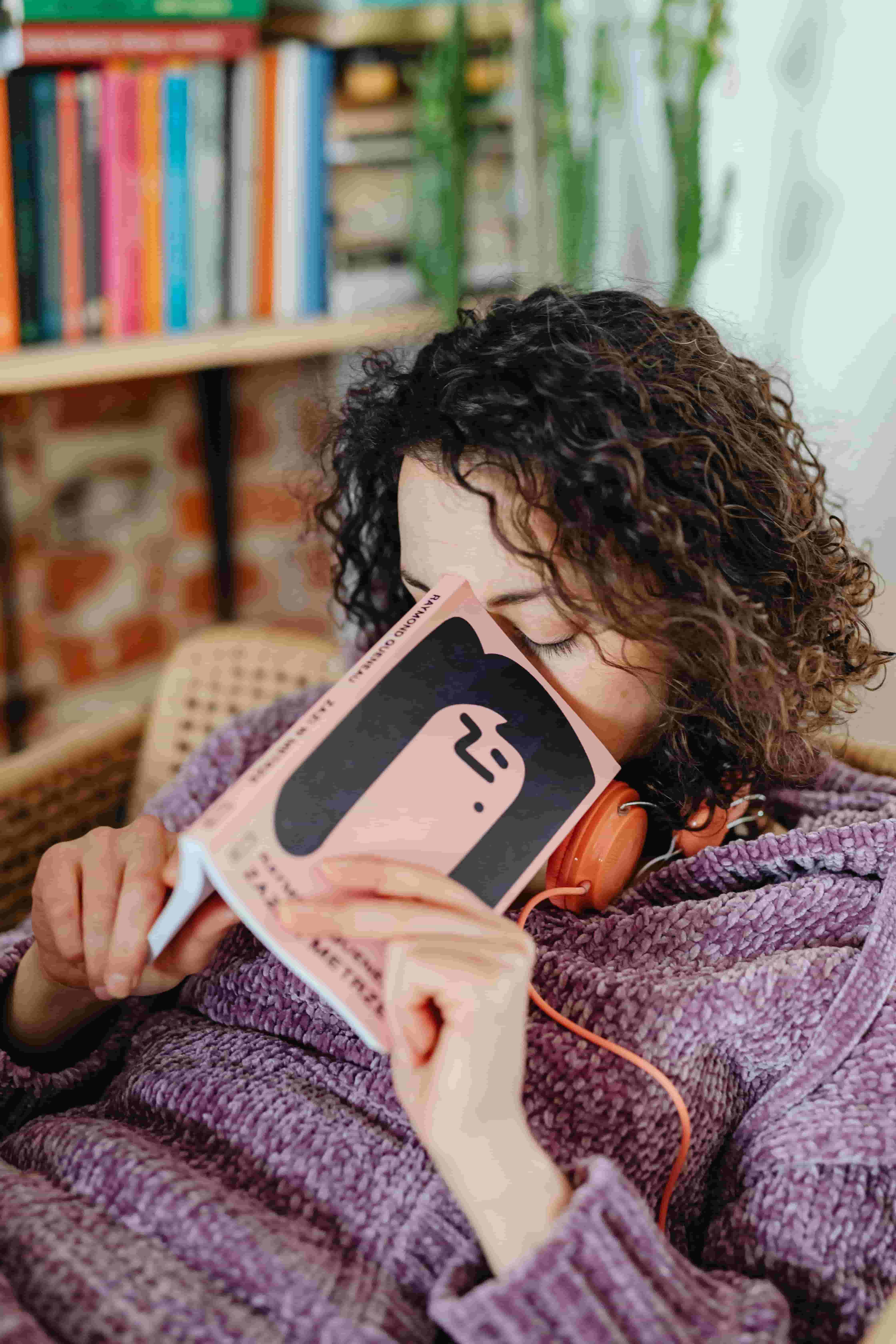
What Is Sleep Learning, Exactly?
Sleep learning, also known as hypnopedia, is the idea that you can absorb new information while you're unconscious. The concept dates back to the 1950s, when researchers first experimented with playing audio recordings to sleeping subjects.
The early results were disappointing. People didn't wake up knowing new vocabulary or grammar rules. But modern neuroscience has uncovered something more nuanced.
Your brain doesn't shut off when you sleep. It cycles through different stages, each with a specific function. And some of those stages are surprisingly relevant to language learning.
The Science Behind Sleep and Memory
Here's what actually happens when you close your eyes.
Stage 1 and 2: Light Sleep
These are the transition phases. Your brain is still somewhat aware of its surroundings. Studies show that simple associations, like linking a word to a sound, can form during light sleep. But complex learning? Not happening.
Stage 3: Deep Sleep
This is where memory consolidation happens. Your brain takes what you learned during the day and files it away into long-term storage. If you studied Spanish vocabulary before bed, deep sleep helps lock those words in.
This isn't learning new material. It's reinforcing what you already encountered while awake.
REM Sleep
Rapid Eye Movement sleep is when your brain processes emotions and creative connections. Some researchers believe REM sleep helps with understanding context and meaning, which is crucial for language comprehension.

What Research Actually Says
Let's look at the real studies.
A 2012 study from the University of Bern found that sleeping participants could form simple associations between made-up words and objects. When they woke up, they responded faster to correct pairings. This happened even though they had no conscious memory of hearing them.
A 2019 study published in Nature Communications went further. Researchers played Dutch vocabulary to German speakers while they slept. The next morning, participants could recognize and translate those words better than a control group.
But there's a catch.
The participants had already been exposed to those words while awake. Sleep didn't teach them something completely new. It strengthened existing neural pathways.
So Can You Learn Spanish While Sleeping?
You can't start from zero and wake up conversational.
But you can absolutely use sleep to reinforce what you've already studied. If you're learning Spanish and you review vocabulary before bed, then play those same words at a low volume while you sleep, you're giving your brain extra repetition during its consolidation phase.
Think of it like this: studying while awake is the main course. Sleep is the dessert that helps everything settle.
An AI language tutor or any structured learning tool you use during the day does the heavy lifting. Sleep just helps cement the results.
What Actually Works: 5 Evidence-Based Sleep Learning Strategies
1. Review Before Bed
Spend 15 to 20 minutes reviewing new material right before you sleep. Flashcards, short lessons, vocabulary lists, or anything that exposes you to the language. Your brain will process that information during deep sleep.
This is the single most effective sleep-related learning technique backed by research.
2. Play Audio at Low Volume
If you want to experiment with sleep audio, keep it simple. Play recordings of vocabulary or phrases you've already studied. Keep the volume low enough that it doesn't disrupt your sleep cycle.
The goal isn't to consciously hear every word. It's to provide subtle reinforcement during light sleep phases.
3. Use Consistent Timing
Your brain loves routine. If you study at the same time every evening and sleep at a consistent hour, your memory consolidation becomes more efficient. Irregular sleep schedules disrupt the entire process.
4. Focus on Vocabulary, Not Grammar
Sleep is better suited for memorizing discrete items, like individual words, than for understanding complex structures. Save grammar study for your awake hours.
5. Prioritize Sleep Quality
This might be the most important point. No amount of sleep audio will help if you're not getting enough rest. Adults need 7 to 9 hours of quality sleep for optimal memory function.
If you're sacrificing sleep to study more, you're actually hurting your progress.

Common Myths About Sleep Learning
Let's bust a few myths while we're at it.
Myth 1: You Can Learn a New Language From Scratch While Sleeping
False. Your brain needs conscious exposure to form the initial neural connections. Sleep can only strengthen what's already there.
Myth 2: Playing Audio All Night Helps More
Wrong. Loud or continuous audio can actually disrupt your sleep cycles, which hurts memory consolidation. Less is more.
Myth 3: Sleep Learning Replaces Active Study
Absolutely not. Active, focused study is irreplaceable. Sleep is a supplement, not a substitute.
Myth 4: Everyone Benefits Equally
Research shows that people with better sleep quality see more benefit. If you have insomnia or sleep disorders, fixing those should be your first priority.
The Role of Dreams in Language Learning
Here's something fascinating: some language learners report dreaming in their target language.
This isn't a sign of fluency. It's your brain processing and practicing. When you immerse yourself in a language, whether through study, media, or conversation, your brain continues working on it during sleep.
Dreaming in Spanish doesn't mean you've mastered it. But it does mean your brain is actively organizing the information. That's a good sign.
Building a Sleep-Friendly Language Learning Routine
Here's a simple evening routine that maximizes your sleep's natural learning potential:
- 8:00 PM: Do a focused 20-minute study session. Review vocabulary, practice phrases, or work through a lesson.
- 9:00 PM: Wind down. Read something light in your target language: a short article, a children's book, or social media posts.
- 10:00 PM: Set up sleep audio if you want to. Keep it low volume, familiar content only.
- 10:15 PM: Lights out. Aim for 7 to 8 hours of uninterrupted sleep.
The key is consistency. Do this regularly, and your brain will get better at consolidating language memories overnight.

What About Naps?
Short naps can also help with memory consolidation. A 20 to 30-minute power nap after a study session gives your brain a quick window to process new information.
Just don't nap too long. Sleep cycles take about 90 minutes, and waking up in the middle of deep sleep leaves you groggy. Keep it short and sweet.
The Bottom Line
Sleep won't teach you Spanish. But it will help you remember what you've already studied.
The most effective approach is simple: study actively during the day, review before bed, and get plenty of quality sleep. That combination beats any shortcut or gimmick.
If you're serious about learning a language, treat sleep as part of your study plan, not a replacement for it. brain is doing important work while you rest. Give it the right material to work with, and you'll see results.
Consistency is everything. Show up every day, study with focus, sleep well, and let your brain do what it does best.