What Does POV Mean? Social Media & Street Slang Guide
Learn what POV, NGL, TBH, Rizz, Delulu and more internet slang terms mean. Your complete guide to social media language and street English in 2026.
Try the AI tutor for freeWhat Does POV Mean and Why Is It Everywhere?
If you have spent any time on TikTok, Instagram, or X lately, you have definitely seen "POV" in captions, comments, and video titles. But what does it actually mean, and why is everyone using it?
POV stands for "Point of View." It is a term borrowed from film and literature that describes the perspective from which a story is told. On social media, however, it has evolved into something completely different.
On TikTok, POV videos place the viewer directly into a scenario. A caption like "POV: Your best friend just canceled plans" puts you in the shoes of the person experiencing that moment. Technically, most of these videos misuse the term, but nobody cares anymore. The format stuck, and it is now one of the most popular content styles on the internet.
POV videos rack up billions of views because they tap into something universal: the desire to see yourself in a situation. Whether it is relatable humor, awkward moments, or dream scenarios, POV content makes you the main character.

The Most Searched Internet Abbreviations
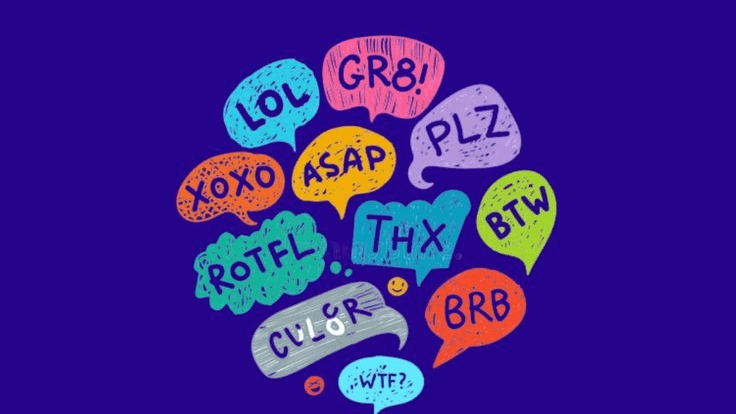
Every single day, thousands of people type "what does TBH mean," "what is NGL," and "SMH meaning" into Google. If you have ever wondered about these abbreviations, you are not alone. Here is a breakdown of the most searched internet slang:
TBH - To Be Honest
"TBH" means exactly what it says: "to be honest." You use it when you want to share a genuine thought or admit something.
Example: "TBH, I did not expect that movie to be so good."
TBH is often used before an opinion or confession. It signals that what follows is your real take, not just polite conversation. You will see it constantly in Instagram captions, Twitter replies, and text messages.
NGL - Not Gonna Lie
"NGL" is very similar to TBH but carries a slightly more casual, conversational tone. It means "not gonna lie" and is used the same way: to introduce an honest opinion.
Example: "NGL, I have listened to this song on repeat all week."
NGL is especially popular among younger users. It feels more natural in everyday conversation and less formal than TBH.
SMH - Shaking My Head
"SMH" stands for "shaking my head." It expresses disappointment, frustration, or disbelief about something.
Example: "He forgot his own birthday party, SMH."
SMH is usually used on its own or at the end of a sentence. It is the digital equivalent of literally shaking your head at something ridiculous.
IYKYK - If You Know, You Know
"IYKYK" means "if you know, you know." It is used to reference something that only a specific group of people would understand.
Example: "The 2020 sourdbread era... IYKYK."
IYKYK creates a sense of exclusivity. If you get the reference, you are part of the club. If not, you are on the outside looking in.
ICYMI - In Case You Missed It
"ICYMI" means "in case you missed it." It is used when resharing or highlighting something important that people might have overlooked.
Example: "ICYMI: The new update just dropped and it is incredible."
ICYMI is extremely common on Twitter and Instagram. It is a polite way of saying "you probably saw this, but just in case you did not, here it is again."
TL;DR - Too Long; Didn't Read
"TL;DR" means "too long; didn't read." It is used to provide a quick summary of a long post, or to dismiss something as overly wordy.
Example: "TL;DR: The project got canceled, moving on to something new."
TL;DR originated on Reddit and has become one of the most widely recognized internet abbreviations. It respects people's time by cutting straight to the point.
TikTok Terms You Need to Know: FYP, GRWM, NPC and More
TikTok has become the epicenter of internet slang. The platform has its own vocabulary, and these terms have spilled over into everyday conversation.
FYP - For You Page
The FYP is TikTok's personalized algorithmic feed. When someone says "hoping this hits the FYP," they want their video to go viral and reach a wider audience.
Example: "I have no idea how this ended up on my FYP, but I am not complaining."
The FYP is the TikTok equivalent of Instagram's Explore page or YouTube's recommended feed. Getting on the FYP is the goal for every creator.
GRWM - Get Ready With Me
GRWM is a video format where creators film themselves getting ready for something while chatting with the audience. It could be getting ready for work, a date, or a night out.
Example: "GRWM for my first day at the new job!"
GRWM videos feel intimate and conversational. They create a sense of hanging out with a friend while they do their routine.
NPC - Non-Player Character
NPC comes from gaming and stands for "non-player character." On social media, it is used to describe someone who acts robotic, unoriginal, or blindly follows trends.
Example: "Everyone is doing the same dance. Starting to feel like an NPC world."
Calling someone an NPC is a way of saying they lack originality. It is not exactly a compliment.
Let Him/Her Cook
"Let him cook" means "let them do their thing" or "give them space to work." It is used when you trust someone to deliver something good.
Example: "He is working on the presentation. Let him cook."
This phrase shows confidence in someone's abilities. It is like saying "trust the process."
Caught in 4K
"Caught in 4K" means caught red-handed with undeniable proof. The "4K" refers to high-resolution video quality, implying the evidence is crystal clear.
Example: "You said you were not eating the last slice, but the plate is empty. Caught in 4K."
This expression is used when someone is caught lying or doing something they denied.
Expressions That Came From Meme Culture
Internet memes move faster than any dictionary can keep up with. Here are some meme-born expressions that have entered everyday language:
TFW - That Feeling When
"TFW" means "that feeling when." It is used to describe a relatable emotion or situation.
Example: "TFW you realize tomorrow is Monday."
TFW is almost always used in meme format. It pairs a relatable scenario with the shared emotional response to it.
FOMO - Fear Of Missing Out
FOMO describes the anxiety you feel when you think others are having fun without you. It is one of the most well-known internet acronyms.
Example: "Everyone is at the beach and I am stuck at work. Serious FOMO right now."
FOMO is heavily driven by social media. Seeing everyone else's highlight reels can make you feel like you are missing out on life.
JOMO - Joy Of Missing Out
JOMO is the opposite of FOMO. It is the satisfaction of staying home, skipping the drama, and enjoying your own company.
Example: "Staying in tonight with tea and a book. JOMO is real."
JOMO has become a badge of honor, especially for introverts who prefer quiet nights over crowded events.
Ratio
A "ratio" happens when a post gets more replies than likes. On Twitter and TikTok, this usually means the post was unpopular or controversial.
Example: "That take was so bad, it got ratioed instantly."
Getting ratioed is one of the internet's harshest forms of public feedback. It means the crowd disagrees with you loudly.
Rent Free
When something lives in your head "rent free," it means you cannot stop thinking about it, even though it does not deserve that much mental space.
Example: "That song has been living in my head rent free for three days."
Rent free is used for catchy songs, awkward memories, or people you cannot get out of your thoughts.
2024-2025 Trending Terms: Delulu, Mewing, Demure, Brain Rot
The internet never stops inventing new words. Here are the trending terms that everyone is talking about right now:
Delulu
"Delulu" is short for "delusional." It describes someone with unrealistic expectations, especially when it comes to romance. It is almost always used playfully.
Example: "I stared at my phone for two hours thinking he would text back. Fully delulu."
Delulu has its own philosophy: "delulu is the solulu" (delusion is the solution). It is a tongue-in-cheek way of saying that sometimes being unrealistically optimistic is its own kind of strategy.
Mewing
Mewing is a real orthotropic technique that involves proper tongue posture to define your jawline. On the internet, it has become a meme where people point to their jaw instead of speaking.
Example: points to jawline "Can not talk, mewing."
Mewing went from a niche health trend to a full-blown internet joke. If you see someone refusing to talk and gesturing at their chin, they are "mewing."
Demure
"Very demure, very mindful" comes from a viral TikTok trend. It means modest, refined, and tasteful, but it is often used ironically.
Example: "Brought a homemade lunch to work today. Very demure, very mindful."
The demure trend celebrates understated elegance, even when applied to something completely ordinary.
Brain Rot
"Brain rot" describes the mental fog you get from consuming too much meaningless content. It is the feeling of having spent hours scrolling and having nothing to show for it.
Example: "Three hours of TikTok and I have pure brain rot."
Brain rot is self-aware. You know you are wasting time, but you keep scrolling anyway.
Skibidi
"Skibidi" comes from the viral "Skibidi Toilet" series. It has no real meaning but is used as a filler word, especially by younger kids.
Example: "That was so skibidi."
Skibidi is the kind of word that makes parents immediately open Google and type "what does skibidi mean."
Rizz
"Rizz" comes from "charisma." It describes someone's ability to charm or attract others, especially romantically. Oxford named it the Word of the Year in 2023.
Example: "He has unspoken rizz. Everyone gravitates toward him."
Rizz has variations: "W rizz" means good game, and "L rizz" means terrible game. It is one of the most recognizable Gen Z terms.
Street English: The Basics of Everyday Conversation
The English you hear on the street is much faster and more abbreviated than what you learn in textbooks. Here are the most common street language patterns:
Greetings and Goodbyes
Nobody says "Good morning, how do you do?" on the street. Here is how people actually greet each other:
What's up? / Sup? - What is happening? The most common casual greeting.
How's it going? - How are you? Much more natural than "How are you?"
Yo! - Hey! Hello! Very common among younger people.
What's good? - What is going on? What is new?
Catch you later / Later! - See you later! Short and casual goodbye.
I'm out / I'm off - I am leaving. Used when you are heading out.
Emotion and Reaction Expressions
I'm dead / I'm deceased - Dying of laughter. Used when something is extremely funny.
Say less - I understand, no need to explain further.
It's giving... - Something has a particular vibe or energy. "It's giving vintage."
Vibe check - Assessing someone's mood or energy.
Lowkey / Highkey - Lowkey: secretly, mildly. Highkey: openly, very much.
No cap - "No lie," "for real."
Bet - "Okay," "agreed," "sounds good."
Fire - Amazing, excellent, incredible.
Hits different - Feels special or better than usual.
Slay - Doing something exceptionally well.
GOAT - "Greatest of All Time." Used to describe the best person in a field.

Street Slang vs. Formal English: Why Knowing the Difference Matters
Learning street English means actually understanding the language as it is spoken. But here is an important warning: you cannot use these expressions everywhere.
Saying "Yo, what's up?" at a job interview will not leave a great first impression. But saying "How do you do?" at a casual hangout will make you sound like a walking textbook.
Context is everything. Street slang belongs in casual settings. For formal emails, academic writing, and professional meetings, stick to standard English.
The good news is that understanding street English dramatically improves your listening skills. You will finally understand what people are saying in shows without relying on subtitles. Tools like VocaFlare AI and other language learning apps can make this process even easier.
Most Confused Street Expressions
Some expressions sound similar but have completely different meanings. Here are the most commonly confused ones:
"I'm good" vs "I'm fine"
"I'm good" is usually used to decline an offer. "Want some coffee?" "I'm good, thanks." It means no, thank you. "I'm fine" is more of a general status update.
"Dead" vs "Deceased"
Both are used online to mean "dying of laughter." "Deceased" is the more exaggerated, humorous version. Neither has anything to do with actual death. They are purely metaphorical.
"Sick" vs "Ill"
In street slang, "sick" does not mean ill. It means amazing. "That trick was sick!" means that trick was incredible. "Ill" can also be used positively in the same way.
"Ghost" (as a verb)
To suddenly stop responding to someone and disappear. "He ghosted me after three dates." He stopped texting me after three dates and vanished.
Generational Slang Differences
Every generation has its own slang. The difference between 90s slang and 2020s slang is massive:
90s and 2000s (Millennials)
My bad - My mistake.
Chill - Relax, calm down. Also means "hang out."
Dope - Awesome, incredible.
Whatever - I do not care. Dismissive expression.
2010s and 2020s (Gen Z)
Based - Being yourself without caring what others think.
Stan - Being an obsessive fan of someone.
Gatekeep - Withholding information or access from others.
Understood the assignment - Delivered exactly what was expected, perfectly.
Main character energy - Acting like the protagonist of your own life.
Situationship - An undefined romantic relationship.
Regional Street Slang: US vs UK
English street slang varies by region. American and British street languages have significant differences:
American Street Slang
Dude - Friend, bro.
Awesome - Great.
Gonna / Wanna / Gotta - Going to / Want to / Got to abbreviations.
Hella - Very, extremely (especially California).
Y'all - All of you (southern states).
British Street Slang
Mate - Friend, buddy.
Brilliant - Great, excellent.
Innit - Short for "isn't it," used like "right?"
Gutted - Extremely disappointed.
Cheeky - Playfully bold or mischievous.
Knackered - Very tired.
The same ideas are expressed completely differently depending on which side of the Atlantic you are on. Pay attention to which English you are learning and focus on that region's slang.
Common Mistakes and What to Avoid
Learning street English comes with pitfalls. Here is what to watch out for:
Using Slang in the Wrong Context
Using street slang in a formal email or job interview can cause serious problems. Always prioritize context.
Overdoing It
Trying to cram slang into every sentence sounds unnatural. Focus on understanding first. Using it will come with time.
Using Outdated Slang
Language evolves constantly. Popular expressions from the 2010s might be considered "cringe" today. Stay current.
Ignoring Pronunciation
In street English, words are often swallowed or blended together. You will hear "Whatcha doin?" instead of "What are you doing?" Understanding these pronunciation differences will improve your listening skills dramatically.
Daily Habits for Practice
Simple ways to integrate street English into your life:
Consume at least one piece of English social media content daily and note any expressions you do not know.
Try using natural expressions when texting with English-speaking friends.
Once a week, watch an episode of your favorite show without subtitles and see how much you understand.
Write down new slang expressions you encounter in a notebook or phone note. Recording them with context is much more effective than memorizing lists.
Conclusion
Street English and social media slang are the most fun and practical parts of language learning. Expressions you will never find in textbooks show up every single day in real life. Understanding them makes English feel alive.
From POV to Rizz, Delulu to Mewing, all of these terms are now part of internet culture. Understanding them improves not just your language skills, but your cultural awareness too.
The key is not perfection. It is consistent exposure. Consume a little English content every day, note new expressions you hear, and start using them naturally over time. Language learning is a marathon, not a sprint.
Understanding street slang means seeing English not as a subject to study, but as a living tool for communication. Stay consistent on this journey, and most importantly, have fun with it.