Active vs Passive Language Learning Through TV and Movies
Learn the real differences between active and passive language learning while watching TV series and movies. Practical strategies, science-backed insights, and the best shows for every level.
Why Your Favorite Series Might Be Your Best Teacher
You already spend hours watching shows. What if those hours could actually move the needle on your language skills?
The debate between active and passive language learning has been going on for years, but here is what most people miss. It is not a binary choice. The real power comes from understanding when to use each approach and how to combine them strategically.
If you have ever fallen asleep with a foreign language show playing or binged an entire season without understanding half the dialogue, you have experienced passive learning at its most extreme. And if you have ever paused every thirty seconds to look up a word, you know what active learning feels like. Neither extreme works on its own. The sweet spot lies in the middle.
What Passive Language Learning Actually Means
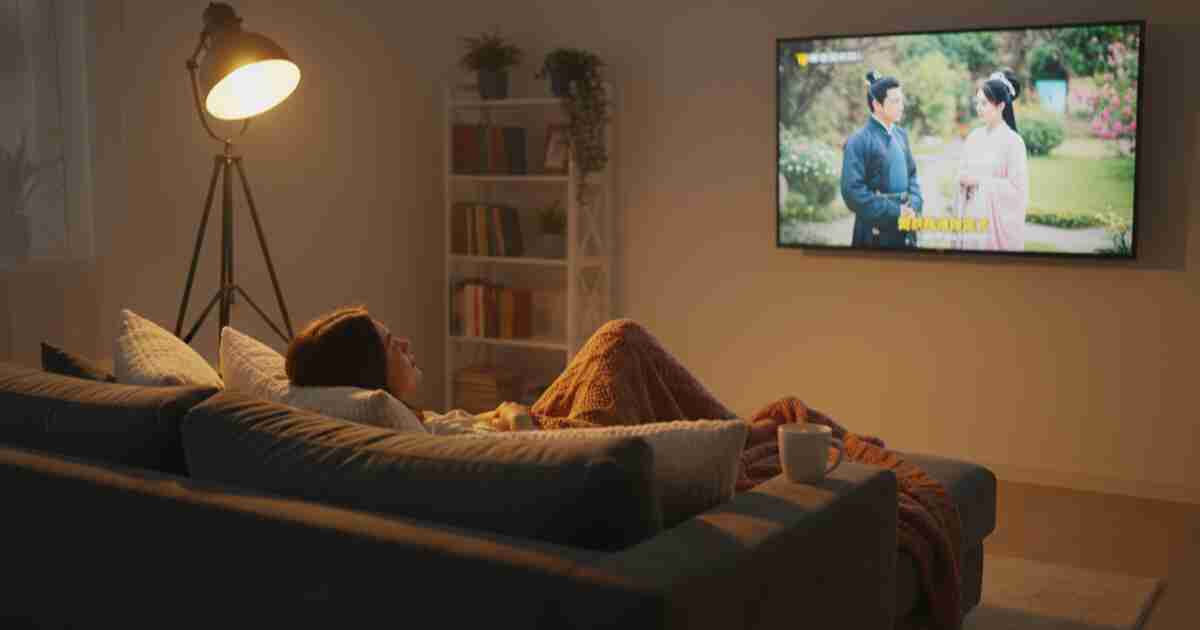
Passive learning happens when you expose yourself to a language without intentionally trying to understand every word. Think of it as background immersion. You are listening to the rhythm, catching familiar sounds, and letting your brain absorb patterns without conscious effort.
Research on language acquisition shows that passive exposure builds phonological awareness. Your brain starts recognizing word boundaries, intonation patterns, and common sound combinations even when you are not paying full attention. This is the same mechanism babies use when they hear their native language before they can speak.
The downside is obvious. Passive listening alone does not build vocabulary quickly or improve grammar. You might understand the general mood of a scene but miss crucial details. Studies suggest that pure passive exposure leads to very slow progress after the beginner stage.
When passive learning works best
- Background listening during commutes or chores
- Re-watching shows you have already seen in your target language
- Getting accustomed to natural speech rhythm and speed
- Building comfort with unfamiliar sounds and pronunciation patterns
What Active Language Learning Looks Like
Active learning is the opposite. You engage with the material deliberately. You pause, rewind, look things up, take notes, and repeat phrases out loud. Every minute of active learning demands more cognitive effort but delivers significantly faster results.
A 2019 study published in "Studies in Second Language Acquisition" found that active viewing led to vocabulary gains two to three times larger than passive viewing over the same time period. The key difference was intentional attention. When learners actively focused on understanding specific words and structures, their brains encoded the information more deeply.
Active learning also builds metalinguistic awareness. You start noticing grammatical patterns, verb conjugations, and sentence structures consciously. This awareness accelerates your ability to produce the language yourself, not just comprehend it.
When active learning works best
- First exposure to a new language or level
- Learning vocabulary for specific topics
- Improving grammar through pattern recognition
- Preparing for exams or specific conversations

The Science Behind Combining Both Methods
Here is where things get interesting. Stephen Krashen's Input Hypothesis suggests that language acquisition happens most effectively when learners receive "comprehensible input" slightly above their current level. This is the famous i+1 principle.
Neither purely passive nor purely active watching delivers optimal comprehensible input on its own. Passive watching often provides input that is too difficult (i+5), while hyperactive watching with constant dictionary lookups can reduce input to something too simple (i+0).
The solution is a layered approach. Start with active watching for new episodes or unfamiliar content. Then switch to passive re-watching of episodes you have already studied. This cycle creates the conditions for natural acquisition while ensuring you actually understand what you are hearing.
Research from the University of Cambridge confirmed that learners who alternated between focused and relaxed viewing sessions retained 40% more vocabulary than those who used only one approach consistently.
Practical Strategies for Every Level
Beginner (A1-A2)
Start with children's shows or content you have already seen in your native language. The familiarity reduces cognitive load and lets your brain focus on the new language sounds. Use your native language subtitles, not the target language ones.
Watch the same episode three times. First pass for enjoyment, second for noticing words you recognize, third for picking up new phrases. This repetition is the backbone of effective beginner learning.
Intermediate (B1-B2)
This is where the active-passive combination becomes powerful. Watch new episodes actively with target language subtitles. Pause when you hear something interesting. Write down the phrase, not just the word. Context matters.
Then re-watch the same episode passively a day or two later without pausing. You will be surprised how much more you understand the second time around. Your brain has already done the hard work of decoding; now it is consolidating.
Advanced (C1-C2)
Challenge yourself with content that uses natural, fast-paced dialogue. Watch without subtitles entirely for passive sessions. For active sessions, focus on idioms, slang, and cultural references rather than basic vocabulary.
Try watching the same show in multiple dialects or regional variations. This builds the kind of flexible comprehension that separates true fluency from textbook knowledge.
The Subtitle Debate Settled
Should you use subtitles? The answer depends on your goal and level.
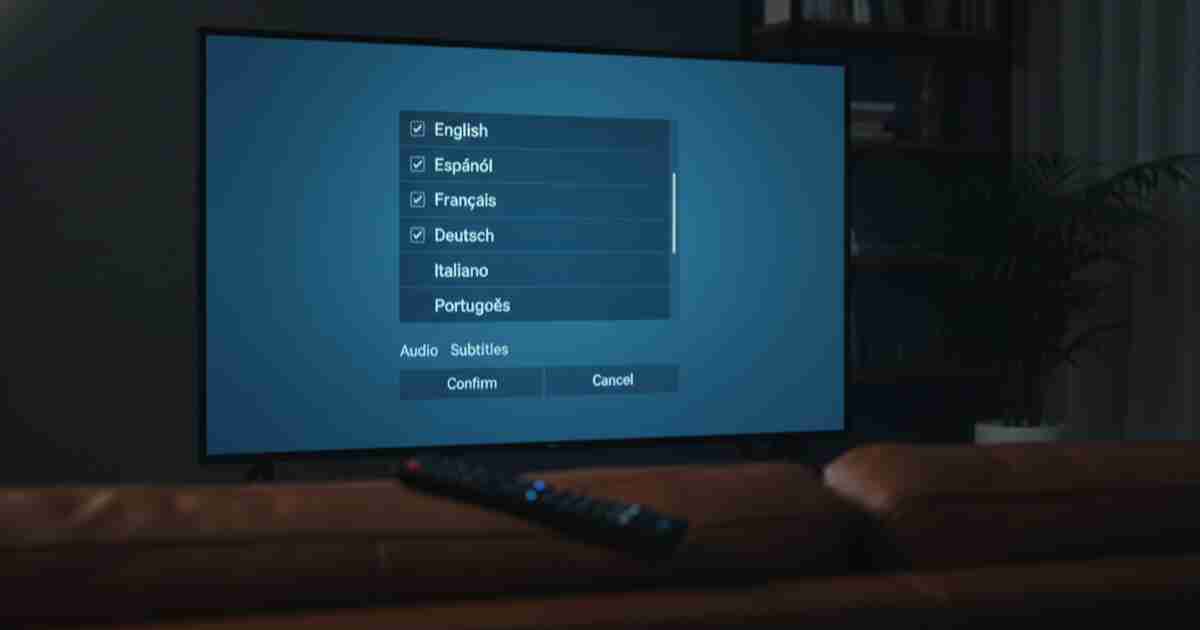
Target language subtitles help with reading comprehension and vocabulary recognition. They are most effective for intermediate learners who can read faster than they can listen. The brain uses the text to fill in gaps in auditory processing.
Native language subtitles are useful for beginners but become a crutch quickly. If you always have a translation available, your brain never fully engages with the target language audio.
No subtitles force your ears to do all the work. This is the hardest mode but builds the strongest listening skills over time. Save this for content you have already watched with subtitles or for situations where you need to train pure auditory comprehension.
The most effective approach for most learners is rotating between these modes based on the content difficulty and your energy level.
Common Mistakes That Kill Your Progress
Watching without any structure feels productive but often is not. Binge-watching five episodes in a row without reviewing anything means your brain only retains fragments. Spaced repetition is far more effective than marathon sessions.
Choosing content that is too difficult is another trap. If you understand less than 70% of the dialogue, the material is above your level. Switch to something easier or use subtitles strategically.
Ignoring active recall is the biggest missed opportunity. After watching, try to summarize what happened without looking at notes. Tell someone about the episode in the target language. Write a short review. These retrieval practices cement vocabulary and grammar in long-term memory.
How to Track Your Progress
Language learning through media is a long game. Do not expect dramatic improvement after one week. Track your progress monthly instead.
Record yourself summarizing an episode at the beginning of each month. Compare your fluency, vocabulary range, and pronunciation over time. You will notice gradual but real improvement that daily self-analysis might miss.
Keep a vocabulary notebook specifically for words and phrases from shows. Review it weekly. The words you encounter in context are more memorable than flashcard vocabulary because they come with emotional and visual associations.
Building a Sustainable Habit
The biggest advantage of learning through TV and movies is that it does not feel like studying. You are already watching shows. The shift from passive consumption to strategic learning is small but the results compound over months.
Start with one episode per day. Apply the active-passive strategy consistently. After two months, you will notice you understand more without trying. After six months, you will catch yourself thinking in the target language during scenes that resonate with you.
That is the moment when language stops being a subject you study and becomes a skill you live with. And it starts with pressing play on your next favorite series.