7 Proven Ways AI Is Helping People Actually Learn Languages in 2026
Discover seven research-backed methods that AI language learners are using to speak fluently. From conversation practice to spaced repetition, these strategies work.
Try the AI tutor for freeThe hype around AI language learning has been loud for years. Most of it was empty promises and polished demos that fell apart the moment you tried to actually use them. But something shifted in 2026. The tools got better, the research caught up, and real learners started reporting real results.
This is not another list of "top 10 apps." This is a breakdown of seven specific methods that people are using right now to build actual fluency with AI. Each one is backed by either research, community evidence, or both. If you have been skeptical about AI language tutors, these approaches might change your mind.
1. Structured Conversation Practice With an AI Tutor
Speaking is the skill most language learners avoid. You know the drill: you study grammar, you memorize vocabulary, you pass tests. But the moment someone asks you a question in the target language, your brain goes blank.
AI language tutors solve this by removing the social stakes. There is no judgment, no awkward silence, no embarrassment. You can stumble, restart, and ask the same question ten times without anyone noticing.
The key is choosing an AI tutor that actually adapts to your level. The best ones in 2026 analyze your speech patterns in real time, adjust difficulty on the fly, and push you just beyond your comfort zone without overwhelming you.

2. Spaced Repetition Driven by Machine Learning
Spaced repetition is not new. Anki has been around for over a decade. But AI-powered spaced repetition systems in 2026 are fundamentally different from their predecessors.
Traditional spaced repetition treats all vocabulary the same. A word is a word. AI-driven systems recognize that not all words are equal. The word "elbow" appears in everyday conversation. The word "elbow" appears in everyday conversation. The word "ulna" almost never does. Modern systems prioritize high-frequency vocabulary and contextual learning, so you spend your time on words that actually matter for your goals.
Some platforms now factor in your personal context too. If you are learning Spanish for travel, you will see vocabulary related to restaurants, transportation, and directions first. If you are learning for business, professional terminology takes priority.
3. Pronunciation Training Through Speech Recognition
Pronunciation is one of the hardest skills to improve without feedback. You can read grammar rules all day, but knowing how to actually say a word requires hearing yourself and comparing.
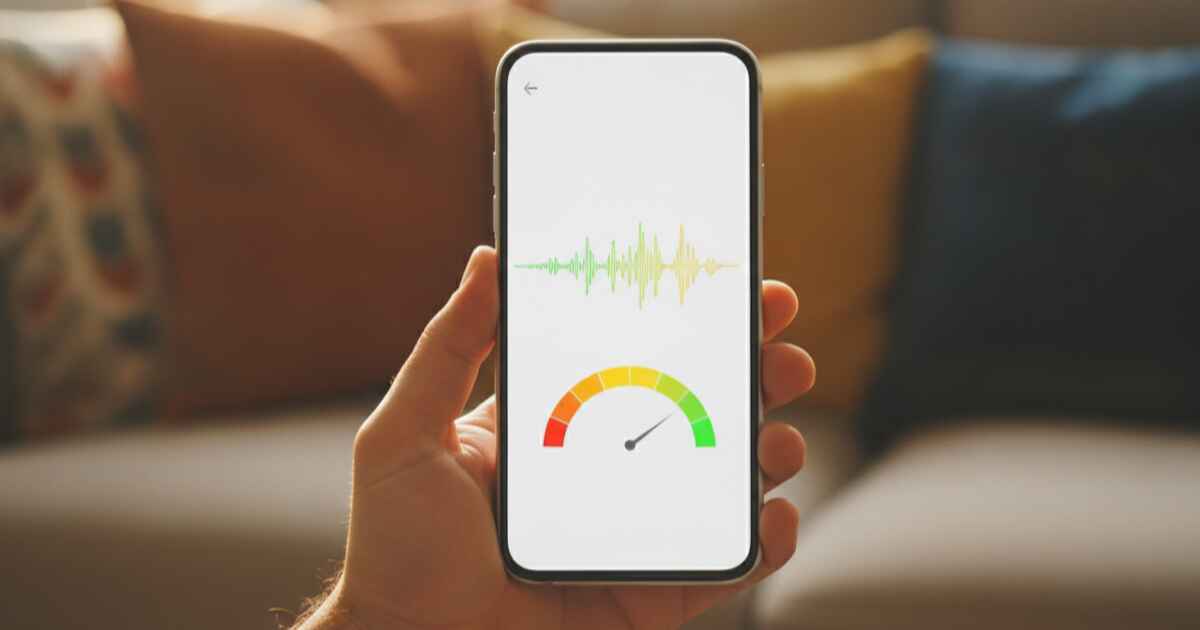
AI speech recognition in 2026 has reached a level where it can detect subtle pronunciation errors that even human tutors sometimes miss. The technology analyzes your mouth movements, tongue placement, and breathing patterns to give you specific feedback like "your tongue is too far back for this vowel" rather than generic "try again."
This level of precision was impossible just two years ago. Now it is available on your phone.
4. Immersive Content Generation for Reading Practice
Reading in a foreign language is a different skill than speaking. You need vocabulary, yes, but you also need to understand sentence structure, cultural references, and idiomatic expressions in context.
AI can now generate reading material perfectly matched to your level. Instead of struggling through a news article that uses words you have never seen, you get a story written specifically for intermediate learners. The vocabulary is controlled, the grammar structures are appropriate, and the content is actually interesting.
This is a game changer for motivation. When you can read something enjoyable instead of grinding through textbooks, you naturally spend more time with the language.
5. Real-Time Error Correction During Writing
Writing in a foreign language is intimidating because mistakes feel permanent. You draft an email, send it, and then realize you conjugated half the verbs wrong. The embarrassment is real.
AI writing assistants have evolved beyond simple spell checkers. The best tools in 2026 analyze your writing for grammar, style, tone, and cultural appropriateness. They do not just tell you what is wrong. They explain why it is wrong and suggest alternatives that sound more natural to native speakers.
For language learners specifically, some tools now highlight patterns in your errors. If you consistently mix up ser and estar in Spanish, the AI will flag that pattern and generate targeted exercises to fix it.

6. Contextual Grammar Learning Through AI Stories
Grammar is the subject that kills motivation faster than anything else. Traditional grammar instruction removes language from context and turns it into abstract rules to memorize. That is why most people forget 80% of what they learn within a week.
AI-powered contextual learning works differently. Instead of teaching you "the subjunctive mood is used in hypothetical situations," it puts you in a story where you naturally encounter the subjunctive. You absorb the pattern through repeated exposure in meaningful contexts.
The science behind this is solid. Research consistently shows that language acquired through context sticks better than language learned through explicit rules. AI makes this approach scalable by generating infinite stories tailored to your exact level and interests.
7. Community-Enhanced AI Learning
The best AI language learning happens when technology meets human connection. Community-enhanced platforms combine AI-generated exercises with real human interaction.
You might practice pronunciation with an AI tutor, then join a live conversation group where you use what you learned. You might complete an AI-generated writing exercise, then get feedback from native speakers in a community forum. The AI handles the structured practice, and the community provides the authentic interaction.
This hybrid approach addresses the biggest criticism of AI language learning: that it cannot replicate real human conversation. It does not need to. It just needs to prepare you for it.

How to Choose the Right AI Language Learning Method
Not every method works for every learner. Here is how to pick the right combination based on your goals and current level.
For Absolute Beginners
Start with structured conversation practice and spaced repetition. You need a foundation of basic vocabulary and sentence patterns before other methods become useful. An AI tutor that adjusts to your level is essential at this stage.
For Intermediate Learners
Focus on pronunciation training and immersive reading. You already know the basics. Now you need to refine your accent and expand your vocabulary through context. Writing practice with real-time correction also becomes valuable here.
For Advanced Learners
Community-enhanced learning and contextual grammar become your best tools. You are close to fluency. The gaps you need to fill are subtle: cultural nuance, advanced grammar patterns, and natural expression. AI-generated stories and community interaction help you bridge that final gap.
The Reality of AI Language Learning in 2026
Let us be honest about what AI can and cannot do. It cannot replace the experience of living in a country where the language is spoken. It cannot fully replicate the spontaneity of a conversation with a native speaker. And it certainly cannot do the work for you.
What it can do is remove barriers. It eliminates the fear of judgment, provides personalized practice at scale, and gives you instant feedback that would otherwise require a private tutor costing hundreds of dollars per hour.
The learners who are seeing real results in 2026 are the ones who treat AI as a tool, not a magic solution. They use it consistently, combine multiple methods, and supplement it with real-world practice whenever possible.
VocaFlare AI is one example of a platform that understands this balance. It focuses on the methods that actually move the needle while avoiding the gimmicks that waste your time.
Final Thoughts
The seven methods outlined here are not theoretical. They are being used by real learners right now, and the results speak for themselves. The key is consistency and choosing the right combination for your level and goals.
If you have been waiting for AI language learning to mature before jumping in, 2026 is the year. The tools are finally good enough to deliver on their promises. Start with one method, build the habit, and expand from there. Your future fluent self will thank you.